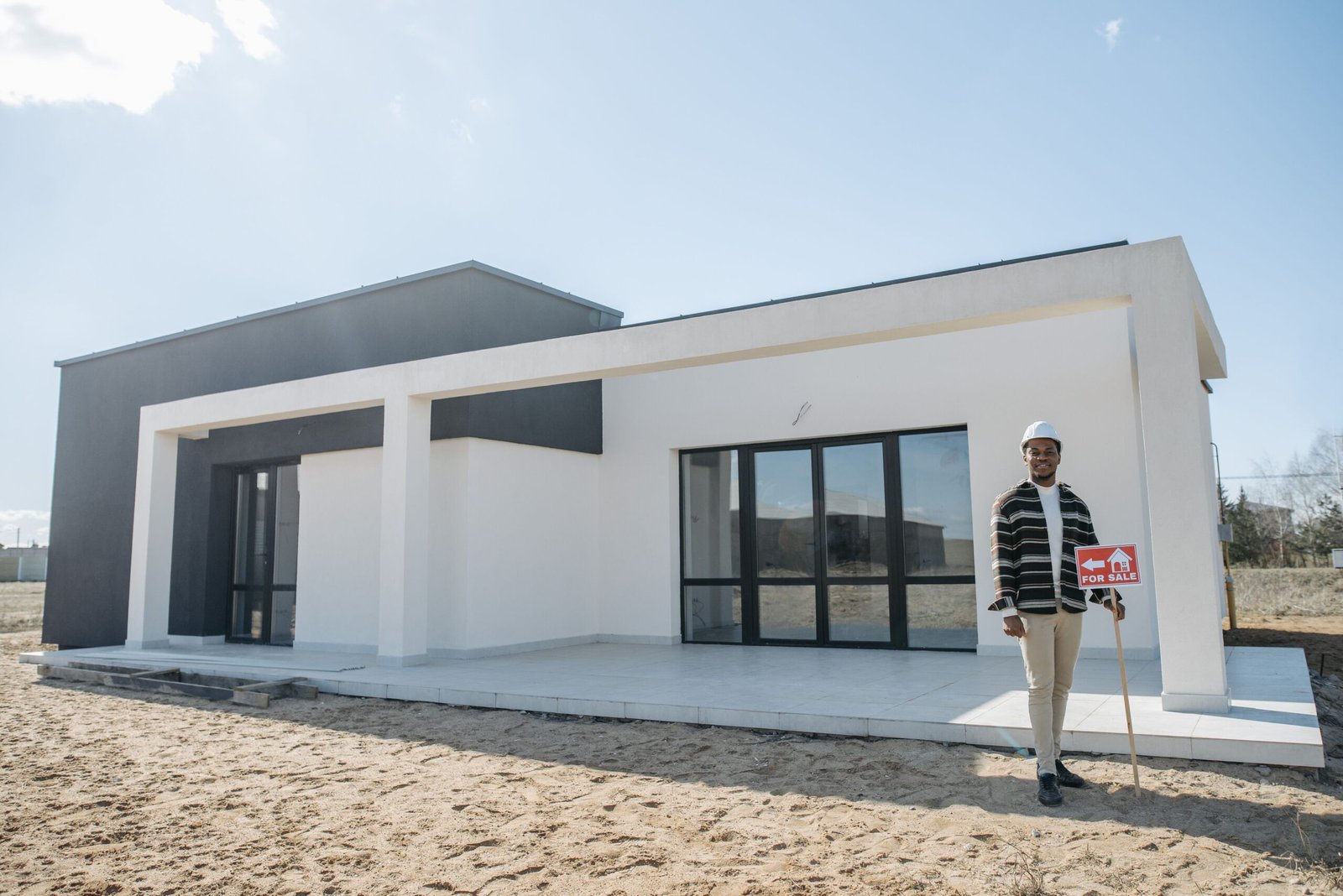
You've found your lot in Wixom, your architect has the plans drawn, and you're ready to break ground. But between your vision and the first wall frame, you'll navigate Oakland County's permitting process, wrestle with Michigan soil conditions, and make decisions that either compress your timeline or stretch it into next spring.
Custom home builds in Wixom involve three overlapping phases before your foundation gets poured: site preparation, permit approval, and strategic timing around Michigan weather. With 50 years of combined experience building in Oakland County, we've learned that starting site work in June positions you perfectly for foundation work in July or August, before fall rains complicate excavation and concrete curing. Here's what you need to know before your first shovel hits dirt.
Site Preparation in Wixom: What Oakland County Soil Conditions Mean for Your Build

Wixom sits in an area where glacial till meets clay-heavy soil, which creates specific challenges during excavation and foundation prep. Your lot might look flat and ready, but what's underneath determines how much prep work you'll need before concrete trucks arrive.
Soil Testing and Geotechnical Surveys
Before you clear a single tree, you need to know what you're building on. Oakland County soil varies dramatically even within the same subdivision. Clay content affects drainage, load-bearing capacity changes with depth, and seasonal frost heave can crack foundations if your footings aren't deep enough.
A geotechnical survey represents a modest investment relative to your total build budget, but it eliminates expensive surprises six months into construction. The survey identifies:
- Soil composition and bearing capacity for your foundation type
- Groundwater levels that affect basement waterproofing strategy
- Bedrock depth if you're planning a full basement
- Organic material or fill dirt that requires excavation and replacement
- Seasonal frost depth to ensure footings meet Michigan code
We've walked clients through situations where soil tests revealed substantial fill material requiring excavation and replacement. Discovering that during planning costs you two weeks and some budget reallocation. Discovering it after you've poured footings costs you months and a significant remediation expense.
Clearing, Grading, and Drainage Strategy
Once you understand your soil, site prep moves fast if weather cooperates. June gives you the longest daylight hours and typically dry conditions for heavy equipment work.
Clearing involves more than removing trees. You're establishing:
- Rough grade that directs water away from your foundation footprint
- Erosion control to prevent sediment runoff during construction (Oakland County enforces strict stormwater rules)
- Access routes for concrete trucks, lumber deliveries, and equipment that won't turn your lot into a mud pit after the first rain
Grading in Wixom often requires engineered drainage solutions. If your lot slopes toward your neighbor's property or sits in a low spot, you'll need swales, French drains, or retention systems designed before your foundation goes in. You require this level of planning upfront because fixing drainage after walls are up means jackhammering concrete and rerouting systems around finished structure.
Utility Coordination and Setback Verification
Your site prep contractor will mark utility lines, but you need to coordinate connection points with DTE Energy for electrical service, the city of Wixom for water and sewer (or well and septic design if you're outside city limits), and natural gas if you're not going all-electric.
Setback verification happens during this phase. Oakland County requires specific distances from property lines, easements, and wetlands. If your architect designed the home without a current survey, you might discover your planned footprint violates setbacks. We've seen homeowners lose entire garage bays or substantial square footage of living space because the survey used for design was three years old and didn't reflect a utility easement the township added after the lot was platted.
The Oakland County Building Permit Process: Realistic Timelines for Wixom Projects
Oakland County administers building permits through their Permit and Inspection Services division, and Wixom projects follow county timelines rather than a separate city process. If you think permits are a rubber stamp, you'll be frustrated when your timeline stretches by 45 days because of missing documentation or plan revisions.
What Oakland County Reviews Before Issuing Your Permit
Your permit application includes architectural plans, structural engineering stamps, energy code compliance documentation (Michigan follows the International Energy Conservation Code), and site plans showing setbacks, grades, and stormwater management.
Oakland County reviews for:
- Zoning compliance: Does your home fit the lot's zoning designation, setbacks, and height limits?
- Structural integrity: Are your foundation, framing, and roof systems engineered correctly for Michigan snow loads and wind ratings?
- Energy code: Does your insulation, window performance, and HVAC design meet current Michigan code?
- Accessibility: If you're building over a certain square footage or designing for specific uses, ADA provisions might apply
- Stormwater management: Will your impervious surfaces (roof, driveway, walkways) create runoff that requires engineered drainage?
Plan reviews take three to six weeks if your documentation is complete. Incomplete submissions restart the clock, which is why working with a builder who knows Oakland County's submission requirements saves you 30 to 45 days on the front end.
Common Permit Delays and How to Avoid Them
The biggest delay we see: architects who don't build in Oakland County regularly submit plans that meet generic Michigan code but miss county-specific requirements. Your architect might be brilliant at design, but if they're not builder-aligned and familiar with Oakland County's review process, you'll get revision requests that add weeks to your permit timeline.
Other frequent delays include:
- Missing structural engineer stamps on beam schedules or foundation plans
- Energy code calculations that don't account for Michigan's climate zone 5A requirements
- Site plans that don't show existing easements or proposed grading with spot elevations
- Stormwater management plans that lack engineering stamps when required for your lot size
We require pre-construction agreements that include permit coordination because we've watched homeowners lose entire building seasons when their architect and builder weren't communicating during the submission process. You can read more about why that agreement protects you in the custom home build process in Michigan: what to expect from start to finish.
Permit Costs and Fee Structure in Oakland County
Oakland County calculates permit fees based on your home's valuation, which they derive from your construction cost estimate. For a high-value custom home project, expect meaningful permit fees, covering plan review, the building permit itself, and scheduled inspections throughout construction.
Additional permits might include:
- Electrical permit (separate from building permit)
- Plumbing permit (separate)
- Mechanical permit for HVAC (separate)
- Well and septic permits if you're outside city water/sewer service areas
- Driveway permit if you're cutting a new approach onto a county road
These aren't surprise costs if your builder provides transparent estimates, but they're often underestimated by homeowners planning their first custom build.
Why Starting Site Work in June Sets You Up for Success
Michigan builders operate around weather windows. You can't pour footings in frozen ground, you can't frame in December ice storms, and you can't finish exterior work when it's 12 degrees outside. Starting site prep in June means you're working with the longest daylight hours, driest soil conditions, and maximum flexibility to adjust timelines if permit approval stretches longer than planned.
The June-to-August Site Prep and Foundation Window
June weather in Wixom typically offers consistent temperatures in the 70s and 80s with lower rainfall than spring or fall. Your site prep contractor can clear, grade, and install drainage without fighting mud. Excavation happens quickly when the ground is dry, and footings cure properly when overnight temperatures stay above 50 degrees.
If your permit gets approved in mid-June, you can realistically:
- Complete site prep and excavation by early July
- Pour footings and foundation walls by mid-July
- Backfill and begin framing by early August
- Reach "dried-in" status (roof, windows, and exterior doors installed) by late September
That timeline assumes normal permitting, no major weather delays, and a builder with crew availability. But it's achievable because you started when soil and weather conditions were optimal.
What Happens if You Delay Until Fall
Wait until September to start site work, and you're gambling with Michigan weather. October brings rain that turns excavation sites into swamps. November frosts mean you'll need ground thawing equipment and concrete curing solutions, adding complexity and expense. December through March, you're basically shut down for exterior work unless you're willing to pay premium labor rates and deal with slower production.
We've had clients push back on June start dates because they wanted to finalize interior selections first. But selections happen during framing and while your mechanicals are being roughed in (you have 90 to 120 days to choose tile, countertops, and fixtures). Delaying site work means you lose the weather window and push your move-in date by six months.
How Weather Impacts Your Custom Home Timeline
Even with a June start, you'll face weather delays. A week of heavy rain in July might pause excavation. An August heat wave might limit concrete pours to early morning hours. But those delays cost you days, not months.
Builders who operate year-round in Michigan build weather buffers into their schedules. A 10-month custom home timeline includes four to six weeks of weather contingency. Starting in June means you absorb normal summer delays and still reach dried-in status before winter. Starting in October means every rain delay pushes your foundation work closer to freeze-up, and you might not frame until spring.
Coordinating Permitting, Site Prep, and Weather: How Renaissance Manages Your Timeline

You're not a project manager. You hired a custom home builder because coordinating 40 trades, three permit agencies, and weather-dependent construction phases is a full-time job.
We use a pre-construction agreement process that locks in your timeline before site work begins. That agreement includes:
- Permit submission coordination: We review your plans with our engineers before submission to catch Oakland County-specific requirements your architect might have missed
- Site prep scheduling: We coordinate geotechnical surveys, utility locates, and clearing schedules so work happens in the correct sequence
- Weather-window planning: We schedule foundation work during optimal months and build buffer time for weather delays
- Weekly progress updates: You get shared photo folders and written updates every week so you're never left wondering what's happening on your lot
With two builder's licenses (License #2102155051 and #2102150256) and 50 years of combined experience building in Oakland County, we've managed enough Wixom projects to know exactly how long each phase takes, which county inspectors are assigned to your area, and how to compress timelines when you need to move in by a specific date.
You can learn more about common mistakes homeowners make before breaking ground in 5 costly mistakes homeowners make before Building a custom home.
Frequently Asked Questions
How long does it take to get a building permit in Oakland County?
Oakland County's plan review typically takes three to six weeks for a complete, accurate submission. Incomplete applications or plans requiring revisions can extend that timeline to eight or ten weeks. Working with a builder experienced in Oakland County submissions reduces delays caused by missing documentation or county-specific requirements.
Can I start site prep before my building permit is approved?
You can clear trees and perform rough grading before permit approval, but you cannot excavate for your foundation or pour footings until Oakland County issues your building permit. Starting clearing work early saves time once your permit arrives, but coordinate with your builder to ensure you're not violating any township or county regulations on land disturbance.
What soil issues are most common in Wixom?
Wixom's soil often contains heavy clay that affects drainage and requires engineered solutions to prevent water from pooling near your foundation. Some lots have unsuitable fill material from previous grading that must be excavated and replaced with compacted structural fill. A geotechnical survey identifies these issues before construction begins, allowing your builder to plan for proper drainage and foundation design.
Why does weather matter so much for custom home timelines in Michigan?
Michigan's freeze-thaw cycle makes winter construction expensive and slow. You can't pour concrete when overnight temperatures drop below freezing without heated enclosures and curing solutions. Framing crews work slower in cold weather, and exterior finishes like masonry and siding require minimum temperatures for proper installation. Starting in summer means you complete weather-sensitive foundation and framing work before winter, keeping your project on schedule.
Ready to Start Your Wixom Custom Home? Let's Walk Your Lot.
You've done the research. You know your lot, your budget, and your timeline goals. Now you need a builder who understands Oakland County's permitting process, knows how to manage Wixom site conditions, and can coordinate your project so you're not stuck waiting for next spring to start construction.
We're veteran-owned, we hold dual builder's licenses, and we've spent 50 years building custom homes in Metro Detroit. We'll walk your lot, review your plans, and give you a realistic timeline based on current permit processing times and weather windows. No guessing, no generic answers.
Schedule your site evaluation and timeline consultation today. Call us at 248-859-5943 or visit our page to start the process. Let's make sure your project starts when conditions are right and finishes when you need to move in.