Two custom home quotes can describe very different projects even when they start with the same floor plan. One may include more complete site work. Another may use lower finish allowances or leave several decisions for later. The number at the bottom only becomes useful when you understand the scope behind it.
To compare custom home quotes, build a simple comparison of what is included, what is allowed for, and what remains outside the price. Ask each builder to explain material differences in writing before you decide which proposal fits your project.
Confirm that both quotes describe the same home
Start with the drawing version and written specifications. Check the areas included in the proposal, such as the main living space, garage, porch, basement, and any unfinished rooms. A square-foot figure does not explain which of those spaces receives finished flooring, heating, cabinetry, or other work.
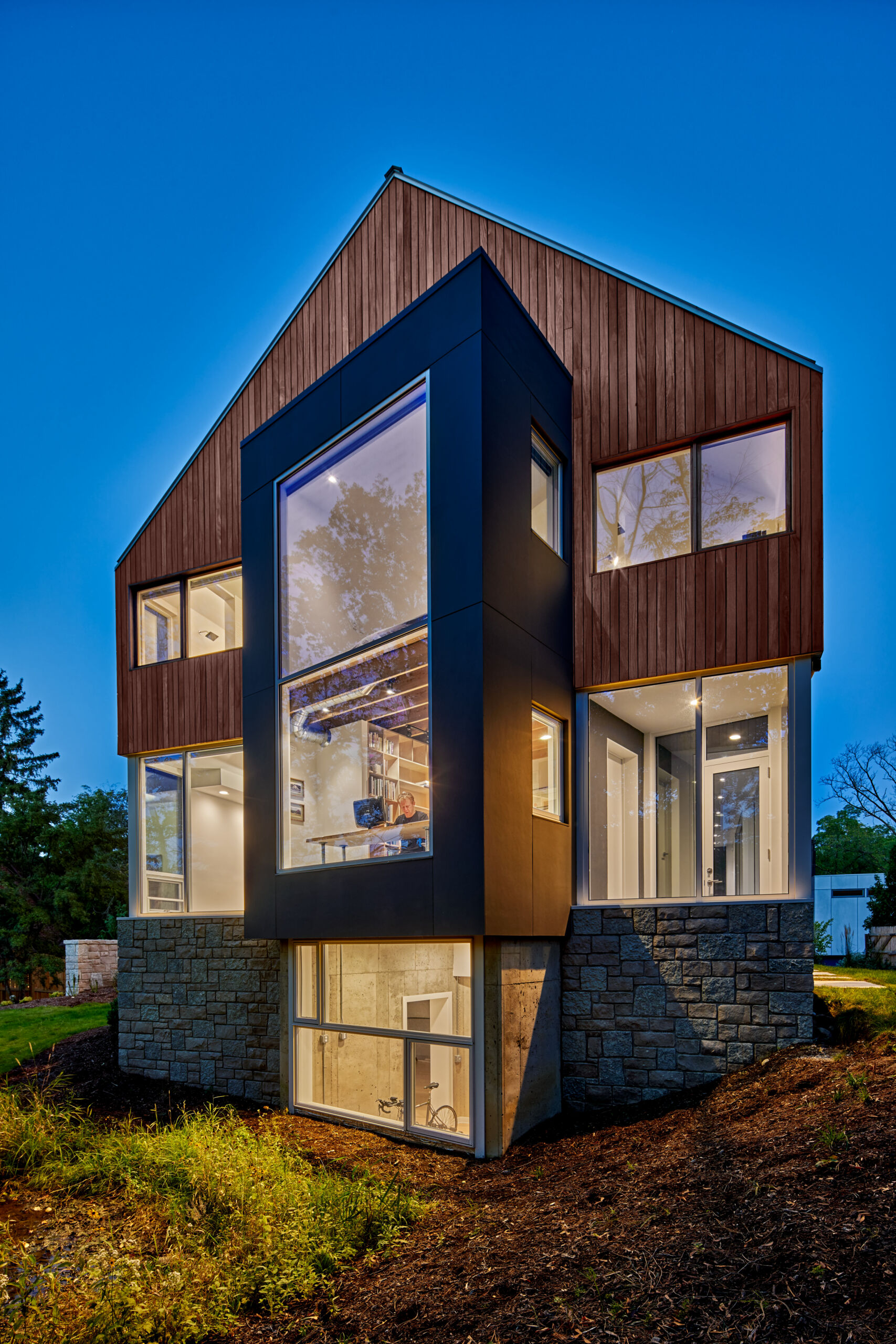
Compare the actual assemblies and products where they are specified. Windows, interior doors, trim, roofing, and exterior finishes can differ substantially. If a product is described broadly, ask what level or selection the price assumes. A photo of a finished home is useful inspiration, but it does not replace a specification.
Separate allowances from completed selections
An allowance is a placeholder for an item that has not been fully selected or priced. Ask what each allowance covers and how the final amount is reconciled. Does a cabinet allowance cover installation? Does a lighting allowance include every fixture you expect? How are delivery charges and related work handled?
For example, imagine two proposals with different kitchen allowances. The lower allowance makes one starting total look better, but it may not match the kitchen you intend to choose. Compare both against the same intended level of finish before treating the difference as a saving.
Keep the example separate from your actual project: your builder should confirm the allowance amounts and terms that apply to your agreement.
Give site work its own comparison
Ask which assumptions have been made about excavation, access, utilities, drainage, demolition, and other property-specific work. Identify what has already been investigated and what will be confirmed later. A proposal based on an assumed site condition carries a different level of certainty from one supported by completed investigation.
List exclusions explicitly. Landscaping, driveways, utility connections, permits, and owner-supplied items may be treated differently between proposals. There is no useful comparison until you know which party is responsible for each item.
Our Oakland County home-cost guide explains why the property and scope matter when discussing a budget.
Understand how changes will be handled
Ask how a requested change is described, priced, approved, and added to the schedule. Also ask how the agreement handles an unforeseen condition or a final selection that exceeds an allowance. Have your own adviser review terms you do not understand.
Choose a proposal you can explain, not simply one with an attractive starting number. Clear scope helps you understand the decisions ahead and the questions still unanswered. If you are planning a custom home, talk with Renaissance about your property, priorities, and the information needed for a meaningful comparison.